What is an Accessory Dwelling Unit (ADU), and is it worth the investment?
An Accessory Dwelling Unit (ADU) is a secondary suite built on the same lot as the primary home that gives owners a chance to generate rental income and boost property value.
As many parts of North America suffer from a housing crunch, some jurisdictions have embraced ADUs as a way of building affordable homes without upsetting the affluent Not In My Backyard (NIMBY) voters with pivotal zoning changes.
In places like California, where the housing crisis has made a quarter of the population homeless, relaxed new ADU rules have led to a boom in secondary suite construction.
Since 2017, when ADU laws began to soften, California’s seen a 1,100% increase in ADU permit applications! It’s no wonder — even the smallest ADUs in up-and-coming areas command rent prices upwards of $2,000/month and add substantial resale value to the property.
Thanks to the unprecedented new regulations, California homeowners can now build:
- A Detached ADU up to 1,500 ft2 — these homes are entirely separate from the primary dwelling and can be either built from the ground up or converted from a garage or another accessory structure.
- An Attached ADU up to 1,200 ft2 — these are separate units within the main dwelling, usually converted garages.
- A Junior ADU (JADU) up to 500 ft2 — comprises a master bedroom, kitchenette, and a separate entrance within the main dwelling.
- A detached or attached ADU AND a JADU.
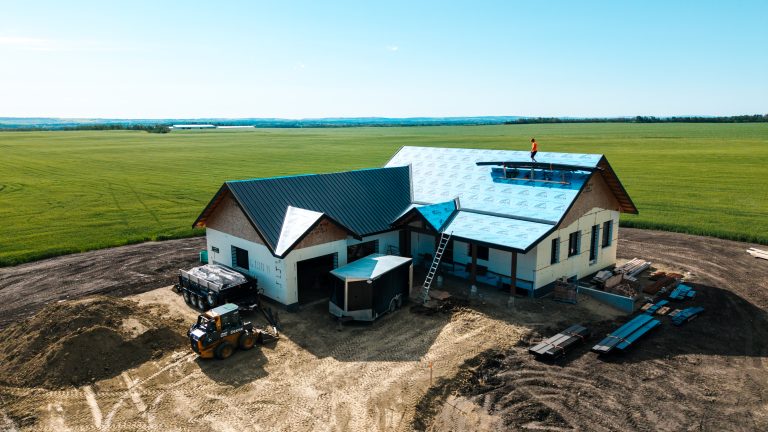
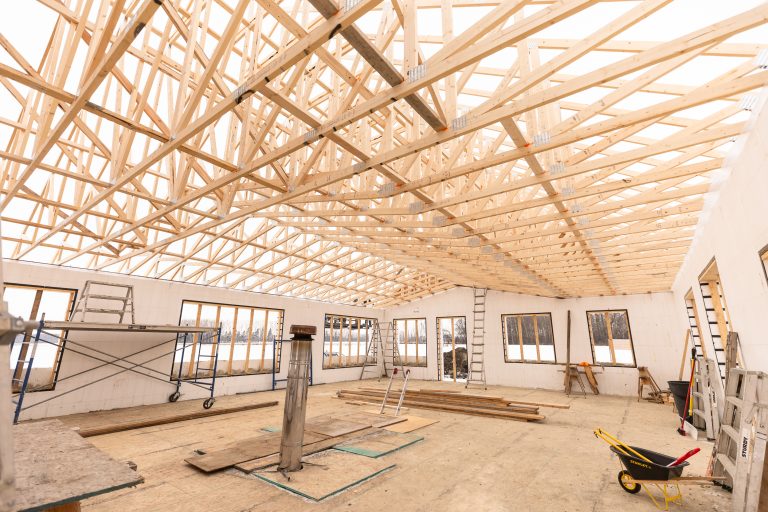
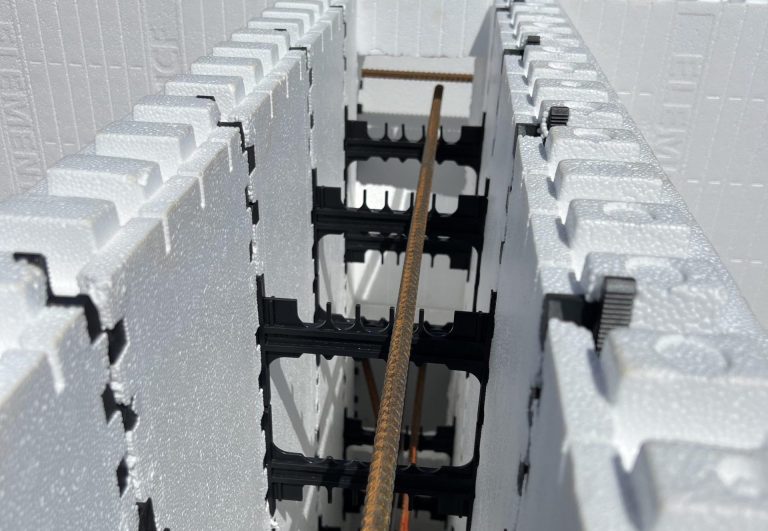
Detached ADUs can be constructed with various methods and materials, like light-wood frame, light-gauge steel, or ICF systems.
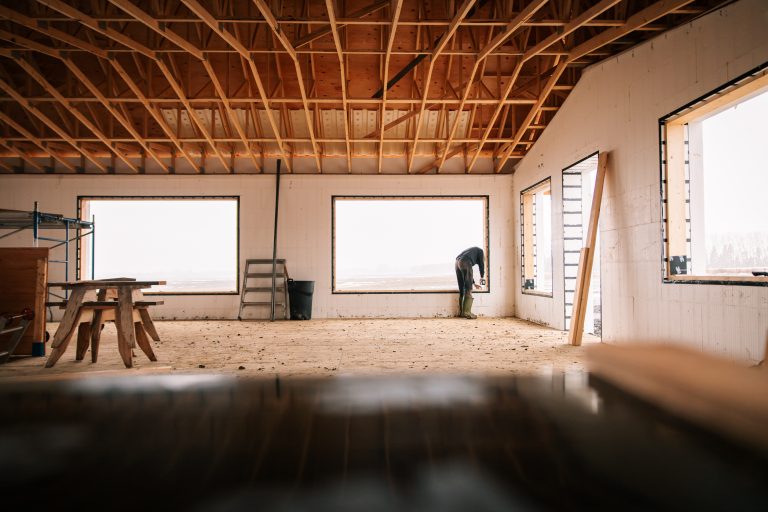
Element ICF is a stellar ADU material, as its high insulative properties, strength, and resilience make it easy to comply with California’s stringent energy, seismic, and Wildland-Urban Interface requirements.
Element ICF has an entire selection of small home plans that meet ADU construction standards in California and elsewhere in Canada and the US — you can check them out here!
Don't miss a thing
Sign up to receive the latest info on new Element ICF products, special offers and more.

Passive House Meets ICF — Part 6: Lessons Learned
At A Glance Achieved 0.4 ACH before final sealing Modeling challenges using ICF in Passive House software Field execution lessons from foundation to roof Real-world
Passive House Meets ICF — Part 5: Roof & Ceiling Assembly
At A Glance How Halo Interra creates a continuous roof air barrier Insulation strategy combining rigid board and blown-in cellulose How simple geometry supports airtight
Announcing Our New AIA-Approved CEU Course
At A Glance AIA-Approved: Earn 1 LU/HSW credit while learning advanced ICF design principles Performance Focused: Covers structural strength, continuous insulation, and airtight construction Practical