At A Glance
Understand Common Pushback – Learn why builders, designers, or inspectors may hesitate on full-height ICF builds—and how to move past it.
Solve Design & Cost Concerns Early – Address engineering and pricing questions before they stall your project.
Empower Your Team – Use Element ICF’s technical guides, design tools, and dealer support to simplify planning and approvals.
Build Smarter, Not Harder – Today’s ICF systems make full-height walls faster, stronger, and easier to construct than ever.
Deliver Confidence & Value – Overcome misconceptions and create a home that’s quieter, more efficient, and built to last.
Building with Insulated Concrete Forms (ICFs) delivers lasting value—energy efficiency, quiet comfort, and solid strength that stand the test of time. In our last post (Why Build an ICF Home), we explored how those benefits create a true “XtraComfort home.” But when it comes to planning a full-height ICF build—where every above-grade wall is formed with ICF instead of just the basement—some homeowners and even builders can hit a few unexpected roadblocks.
Let’s unpack what those challenges are, why they surface, and how to move past them with confidence.
1. “My builder says ICF is only for basements.”
Where it comes from:
Some builders learned ICF years ago—when it was marketed mainly for below-grade use. Those early systems were more limited in form size and required more onsite labor.
Why it persists:
Builders are creatures of habit. If someone’s been framing above-grade with wood for decades, switching methods can feel risky or “unnecessary.”
How to move past it:
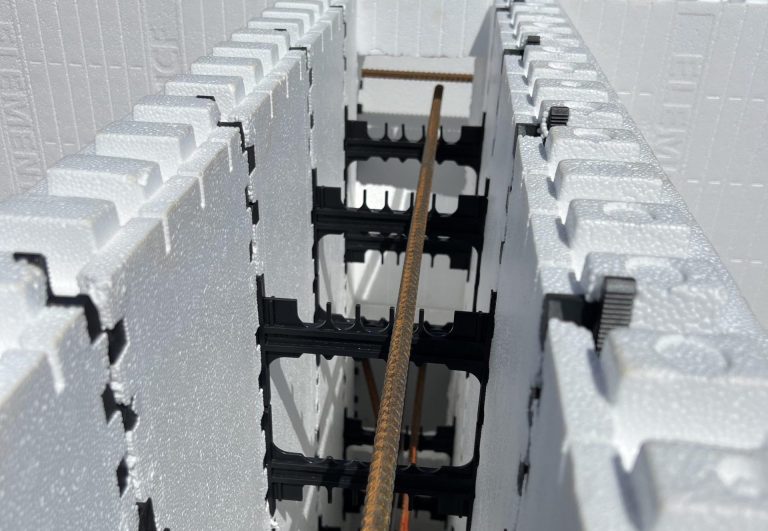
Today’s ICF systems—like Element ICF—are purpose-built for full-height construction. Lightweight blocks, simple alignment tools, and flexible accessories make above-grade walls just as straightforward as basement walls.
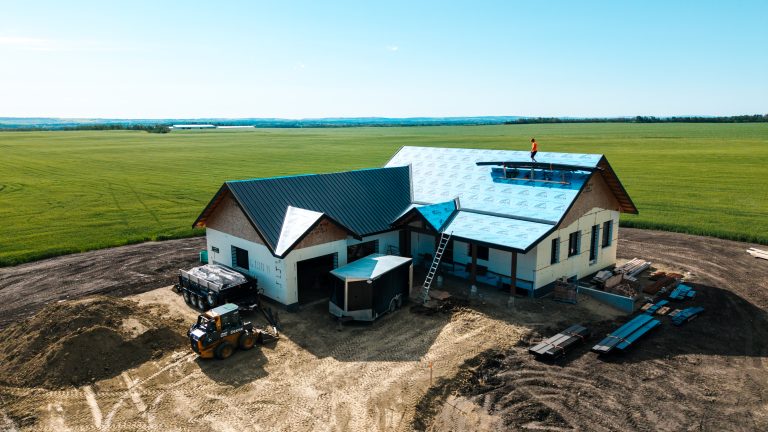
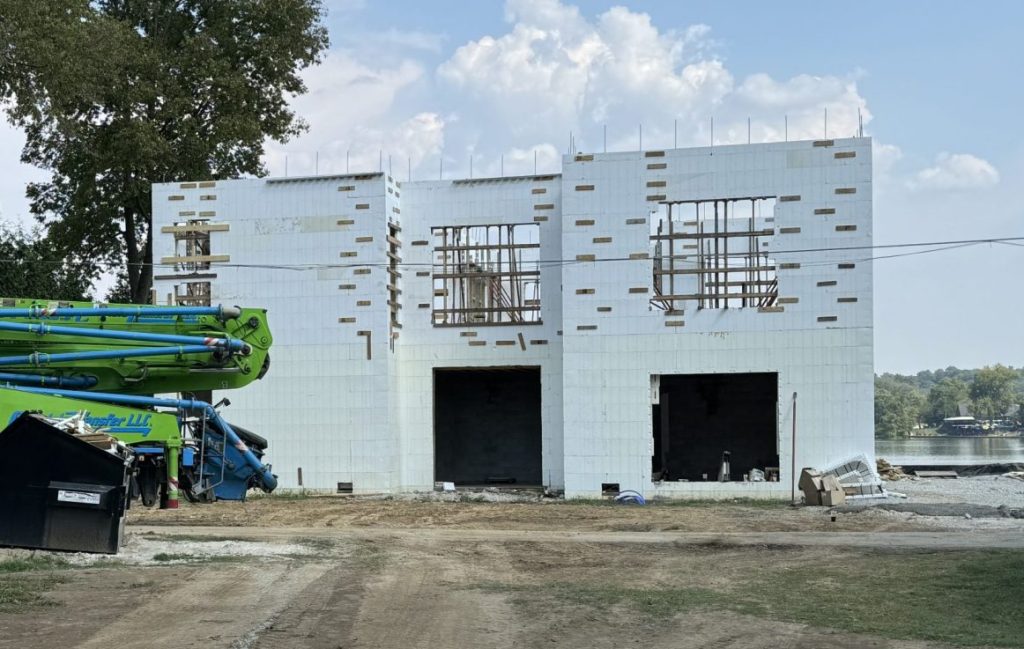
There have been thousands of full-height ICF homes built across North America.
Share photos or case studies from recent projects—real examples change perspectives quickly.
And don’t go it alone: your local Element dealer or Territory Manager can talk with your builder, suggest training options, and connect them with experienced ICF sub-trades.
You can also explore our online directory of ICF-experienced installers to find professionals who already build with ICF.
2. “My designer or engineer isn’t familiar with ICF above grade.”
Where it comes from:
Some designers and engineers haven’t worked with full-height ICF yet, and that lack of familiarity can make them cautious—or lead to unnecessary over-engineering, which inflates costs.
How to move past it:
Before your designer begins, make sure they have the right resources:
- The Efficient Residential ICF Design webcast (free to watch!) walks through practical design principles that can save thousands of dollars.
- Element ICF provides detailed engineering data and design guides that simplify wall specs and reinforcement layouts. Once engineers see these details, they often find ICF is no more complex than block or poured walls.
- The Project Engineer found in the Logix Brands Toolbox makes engineering Element ICF walls even faster—access it through your online Toolbox.
Encourage your designer or engineer to connect directly with our Technical Team early—it saves time, avoids rework, and ensures your project runs smoothly. Meetings can be booked directly through the online Toolbox.
3. “The cost seems higher than wood framing.”
Where it comes from:
Full-height ICF construction is a premium method—and yes, that typically comes with a modest cost increase.
If a builder is new to ICF, they might pad their quote.
And many homeowners compare only material prices—not full installation costs—which can skew the picture.
The reality:
While ICF materials may cost more per square foot than wood framing, the total finished cost usually lands within 5%–7% of a comparable wood-framed home. Why?
- Faster install time and reduced labor
- Less jobsite waste
- No need for exterior sheathing or insulation
- Energy savings from day one
This is the true cost equation worth focusing on.
How to move past it:
Your Element dealer or Territory Manager can review your quotes at no cost—use their expertise!
Request competitive bids, and ask for a full cost comparison including labor, insulation, and air-sealing.
When you look at whole-wall performance, ICF often compares very favorably.
4. “Everyone keeps telling me a different ICF is better—now I’m confused!”
Where it comes from:
- Builders often recommend the ICF they’re used to.
- Different systems emphasize different efficiencies or time-saving features that may appeal more to certain contractors.
The reality:
All major ICF brands deliver strong, energy-efficient walls. What sets Element ICF apart is its thicker foam, which provides a higher R-value for greater comfort and lower energy bills over time.
How to move past it:
Evaluate the whole package:
- Product quality and consistency
- Technical and in-field support
- Availability through local stocking dealers
- Whether the system is made in company-owned plants (for consistent quality control)
When you look at both performance and support, you’ll quickly see which system fits your goals best.
5. “I’m worried about attaching finishes and fixtures.”
Where it comes from:
People imagine solid concrete behind foam and assume interior finishes will be difficult to attach.
The reality:
Modern ICF blocks include built-in fastening strips, making it simple to attach drywall, siding, or cabinets—often faster than finding studs in wood framing.
How to move past it:
Show your contractor where the fastening strips align (usually every 6–8 inches) and use ICF-rated screws. Most trades adapt immediately.
Heavier items? No problem.
Read how to find furring strips behind drywall here.

6. “The building inspector might push back.”
Where it comes from:
Some inspectors haven’t yet seen a full-height ICF build. That’s not resistance—it’s just unfamiliarity.
The reality:
Thousands of full-height ICF homes have been built across Canada and the U.S. They’re well-established and fully code-compliant.
How to move past it:
Provide documentation upfront—ICC reports, certifications, and stamped engineering sheets. These confirm compliance and usually satisfy inspectors immediately.
Don't miss a thing
Sign up to receive the latest info on new Element ICF products, special offers and more.
Wrapping Up
Most “roadblocks” around building a full-height ICF home aren’t technical—they’re based on old habits and outdated assumptions.
Ask questions. Get the right team. Lean on your Element dealer and technical resources.
The result? A stronger, quieter, more efficient home—built to last a lifetime.