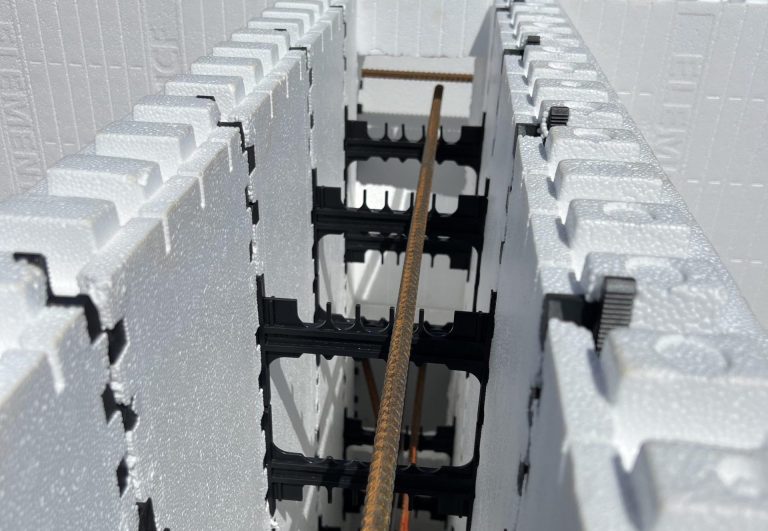
Designing an Element ICF Foundation That Lasts a Lifetime
Print
Email
At a Glance
Build smarter from the start. Design in 4″ increments to reduce waste, speed installs, and simplify coursing.
Decide early, save later. Slab prep, floor connections, top course details, and rebar layout all define long-term performance.
Avoid costly missteps. Steer clear of short jogs, oversized openings, and placements too close to corners.
Plan for lifetime value. Combine airtight design, radon readiness, and smart insulation for comfort and efficiency that last.
Designing an Element ICF Foundation That Lasts a Lifetime
When you’re designing with Element ICF, you’re building more than just a foundation—you’re investing in comfort, strength, and efficiency for decades to come. You’re investing in a Foundation For Life! Whether you’re a builder, homeowner, or designer, these key insights will help you plan a high-performance ICF foundation system with confidence.
Four Foundation Fundamentals
1. Concrete Core & Wall Width
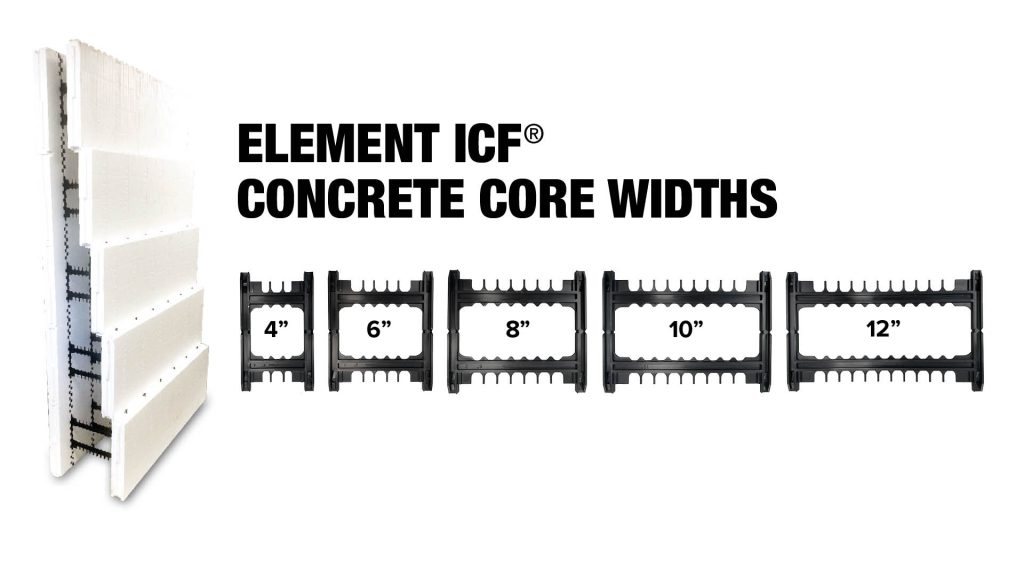
Most Element ICF foundations use either 6″ or 8″ concrete cores, which translate to different wall thicknesses. Choose based on load requirements, thermal performance, and local codes.
Strength comes in every size. Element ICF core widths give you the flexibility to match every project—without compromising speed or confidence.
2. Footings & Step Layout
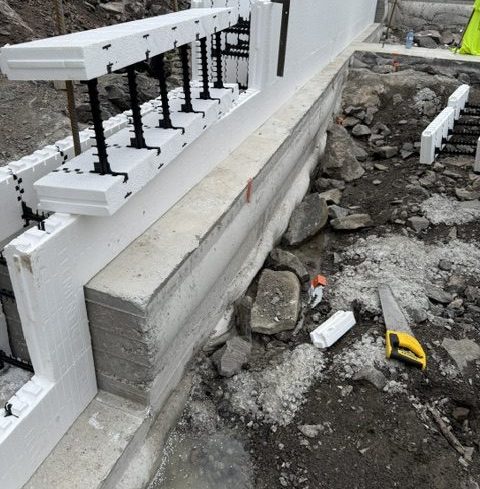
For the cleanest setup, design step footings and elevation changes in 16″, 8″, or 4″ increments. This works seamlessly with Element ICF’s smart height system. If you retain the bottom interlock, add ½” to the step height (refer to section 2.7 of the Installation Guide for more details). Standard blocks with no interlock on one side are available in some regions.
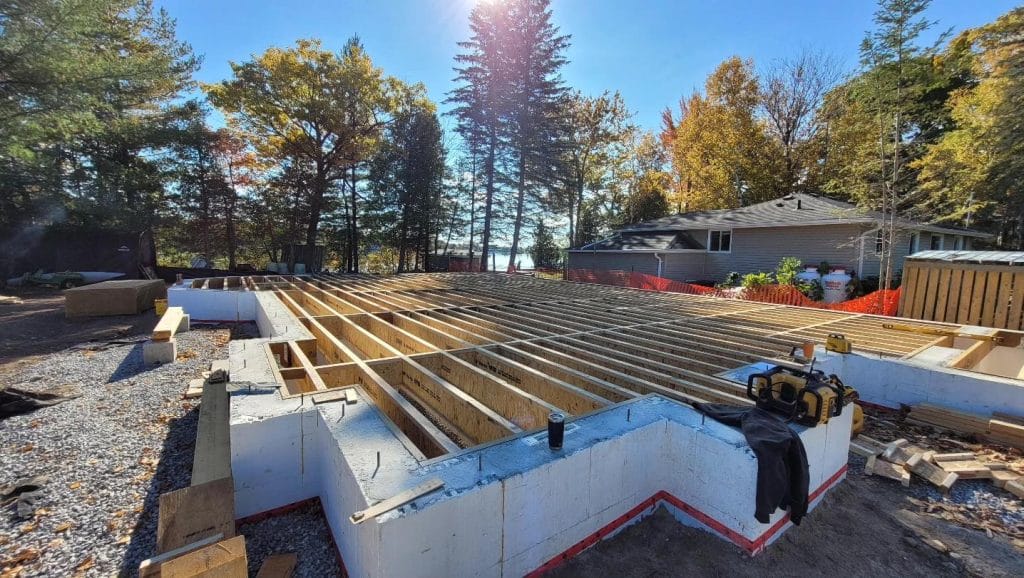
Smart footings. Smarter builds. These 8" steps are ready for Element ICF efficiency.
3. Wall Height Coursing
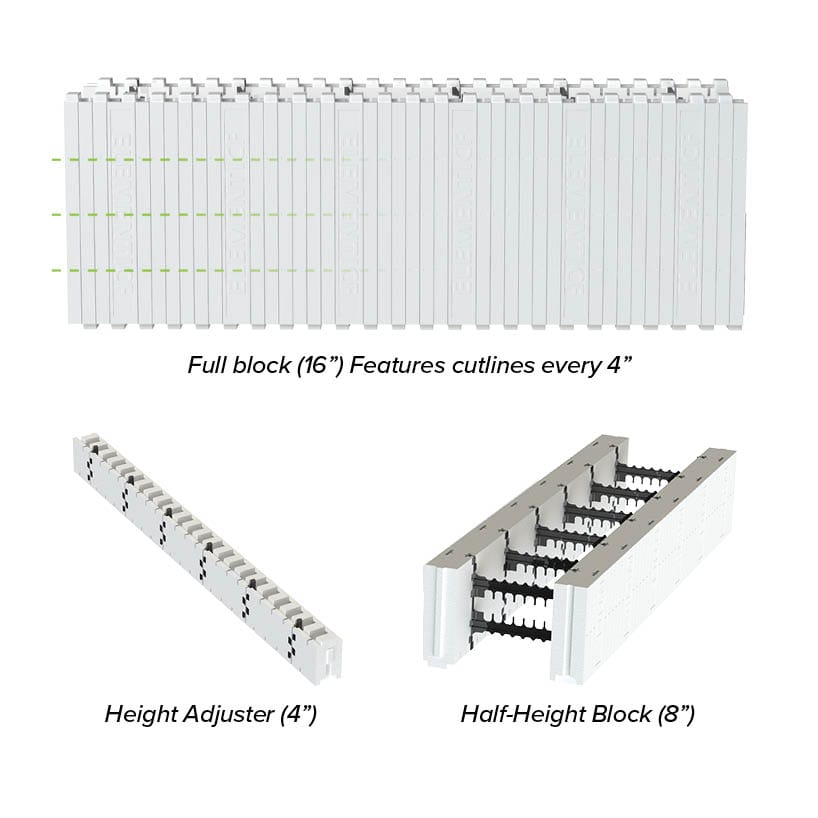
Work in 4″ increments to align with full blocks (16″), half-height forms (8″), and height adjusters (4″). This allows for minimal waste, less cutting, and reduced labor.
4. Window & Door Openings
In below-grade applications, ensure opening sizes meet local code requirements. Larger openings may require extra engineering or reinforcement. If possible sit your rough openings at the top of a course of block – this will minimize horizontal block cutting. And in Canadian walkout walls, don’t place an opening within 4’of a corner unless shear walls are integrated per prescriptive code
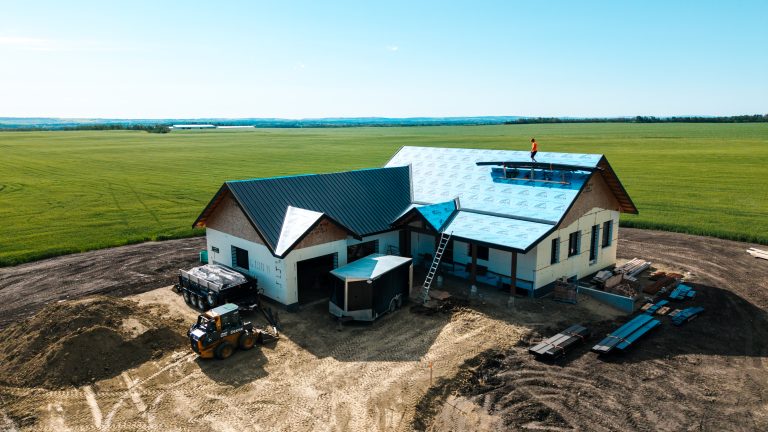
Every great build begins with a solid foundation—for your project, your crew, and your future. Element ICF is how you build for life.
Avoid These Common Pitfalls
🚫 Short Jog Sections (<4’)
Yes, they can be built. But they require more cutting, fabrication, and bracing. Save time and cost by designing jogs longer than 4′.
🚫 Openings Too Close to Corners (Canada Only)
As noted above, avoid placing windows/doors within 4’ of a corner in Canadian walkout walls unless you’re ready to integrate shear walls in two directions.
Make These 4 Smart Design Decisions Early
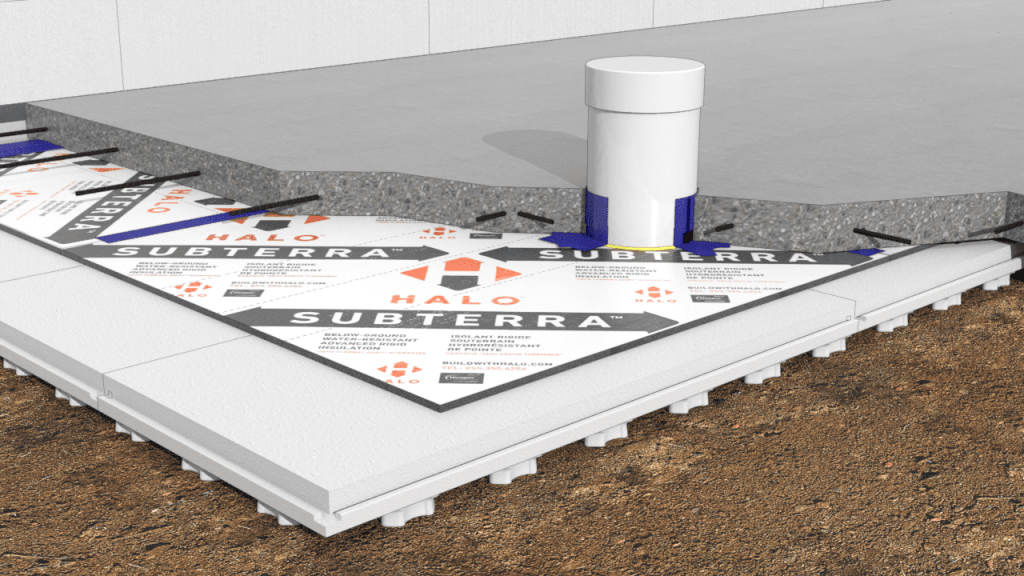
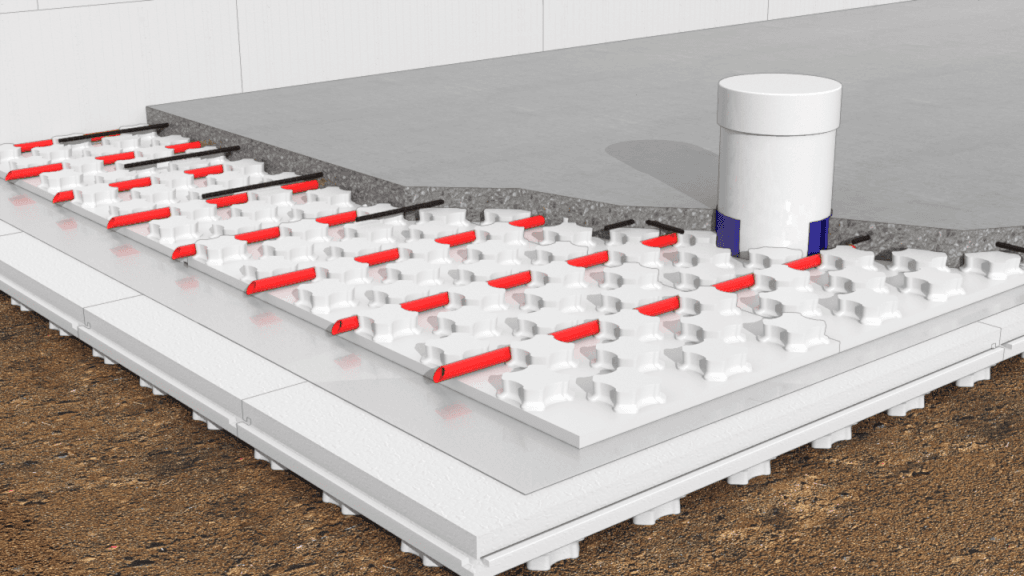
✅ The Slab Decision: Radon + Radiant Ready
Prepping for radon mitigation and radiant heating during slab prep costs little but adds major future value.
Install a layer of inverted Heat-Sheet Heavy as part of a low-cost radon mitigation rough-in
Radon doesn’t stand a chance. Subterra Plus is 7x more impermeable or more effective as a radon barrier than 6-mil poly — and Heat-Sheet provides 50% more air flow than 4" layer of gravel and is code compliant.
And/or install Heat-Sheet with pex pipe to create a low-cost radiant floor rough-in.
Seal all penetrations and joints during prep for airtightness
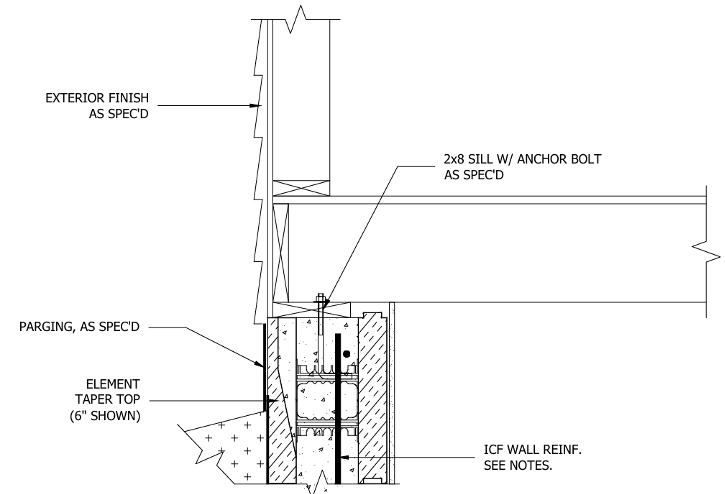
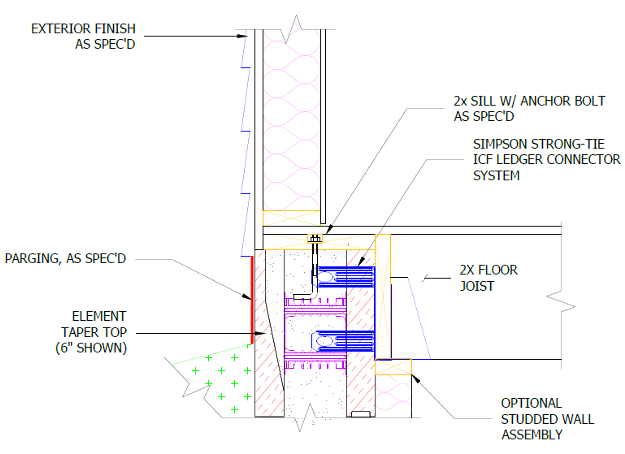
✅ Main Floor Connection: Hang It or Bear It?
With wood framing above, bearing the floor system is common. But hanging the floor joists (e.g., using Simpson ICFVL ledgers) delivers a cleaner thermal break and smoother insulation continuity.
Wood framing above? No problem. Bearing the floor system on Element ICF is a common, proven practice that keeps builds simple and strong.
Hanging floor joists using Simpson ICFVL ledgers create a cleaner thermal break and seamless insulation continuity by suspending the floor framing, enhancing energy efficiency without compromising strength.
Hint: Place the ICFVL over the web for easy fastening.
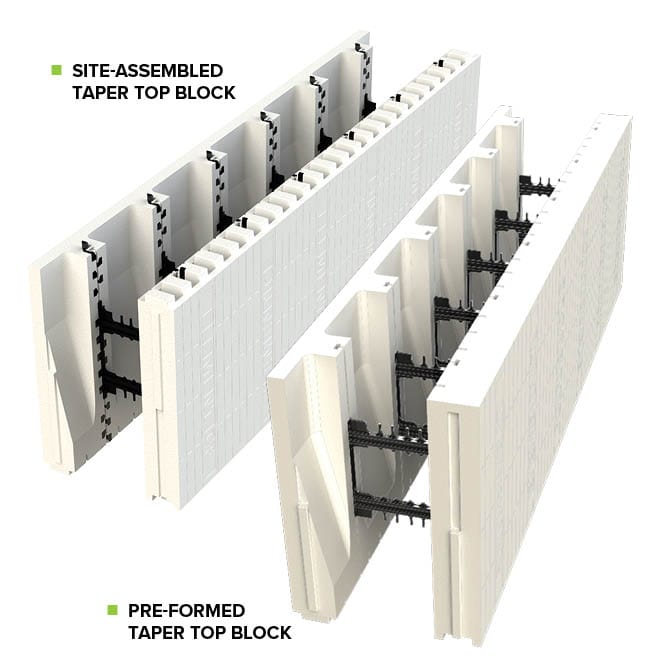
✅ Top Course: Use Taper Top Blocks
Finish with a Taper Top for stronger sill plate bearing and clean alignment with the wall core. It’s recommended in nearly all builds.
✅ The Rebar Plan
Rebar layout—especially around openings—is typically dictated by your engineer of record. You can offer your engineer guidance from:
The 2.75″ EPS panels in Element ICF provide built-in dampproofing for above-grade walls. Below-grade applications may still require additional detailing—check your local code.
Thermal & Air Control
Use rigid foam insulation like Halo Subterra® to form part of the air, vapor, and thermal control layers. Seal joints, integrate with floor/roof assemblies, and connect membranes for a continuous envelope.
Don't miss a thing
Sign up to receive the latest info on new Element ICF products, special offers and more.
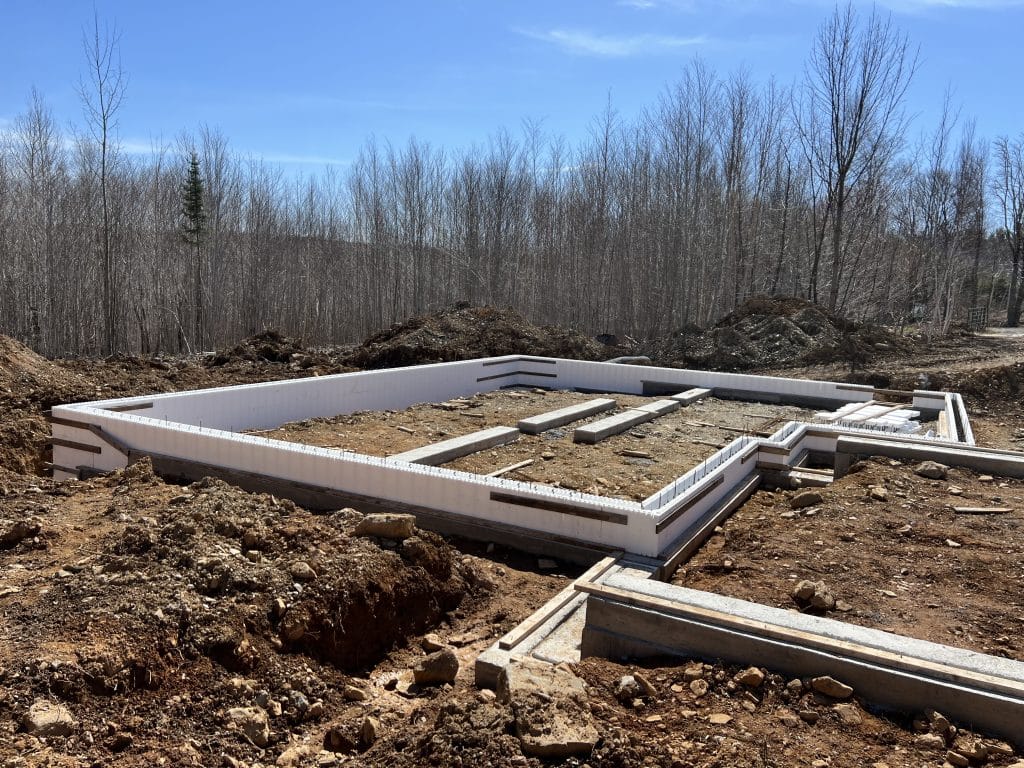
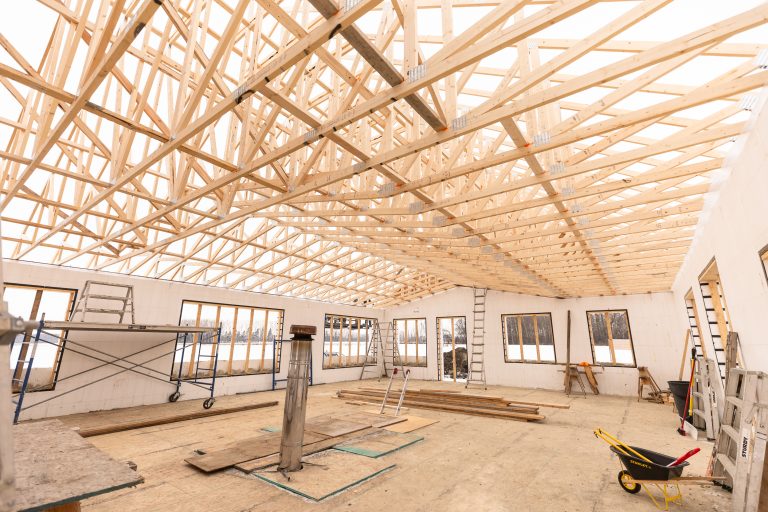
Concrete set and cured—this durable Element ICF foundation is ready to support the next phase of construction with unmatched strength and energy efficiency.
Wrapping Up
Designing an Element ICF foundation for life is all about upfront smarts. Hit your heights in 4” increments. Avoid small jogs and awkward openings. Think radon and radiant early. And always taper the top.
With the right approach, your ICF foundation isn’t just solid—it’s smart, efficient, and future-ready.
Whether you’re an experienced ICF installer or considering ICF for the first time, we can help. Simply complete this short form for a free quote (or to ask any question at all!).
Ask Anything is a virtual assistant, which utilizes artificial intelligence to answer questions relating to Element ICF (the “Services”). The Services were developed by Logix Brands Ltd. (“Logix”) in conjunction with existing Element ICF product information. You may provide input to the Services and receive output (the “Output”) from the Services based on your input. Due to the nature of the Services and artificial intelligence generally, the Output may not always be accurate. You should not rely on the Output from the Services as factual information or as a substitute for advice. If you require further information regarding the Output and/or Element ICF, please contact a Territory Manager or local Element ICF dealer. Logix, nor any of its affiliates or licensors will be liable for any direct, incidental, consequently or indirect damages (including lost profits) arising out of the use of the Services or adhering to the Output.
Building Soon?
We can help make your ICF dreams a reality! Please let us know how we can help or assist.
Please complete this form to this dealer a question or to request a quote on Element ICF products. If you would like a quote please upload your plan set (if available) and provide as much additional information as possible.
For unlimited access to all of our technical and marketing resources, please enter your information. We will also email you a copy of each of the items you select for quick future reference.